Things to Do in Montgomery and Selma
Where the bus boycott began and the march for the vote ended.
See top-rated activities »Montgomery and Selma on the Alabama Civil Rights Trail
No part of the Alabama civil rights trail is more concentrated than the 54 miles between Selma and Montgomery. In Montgomery, Rosa Parks refused to give up her bus seat in December 1955, and the boycott that followed made a young pastor, Dr. Martin Luther King Jr., a national figure. His church, Dexter Avenue King Memorial Baptist, stands a block from the Alabama State Capitol, where Jefferson Davis took the oath as president of the Confederacy in 1861 and where the Selma to Montgomery march ended in 1965. The Rosa Parks Museum, at Troy University near the bus stop where she was arrested, and the Freedom Rides Museum, in the old Greyhound station where riders were attacked in 1961, are both downtown.
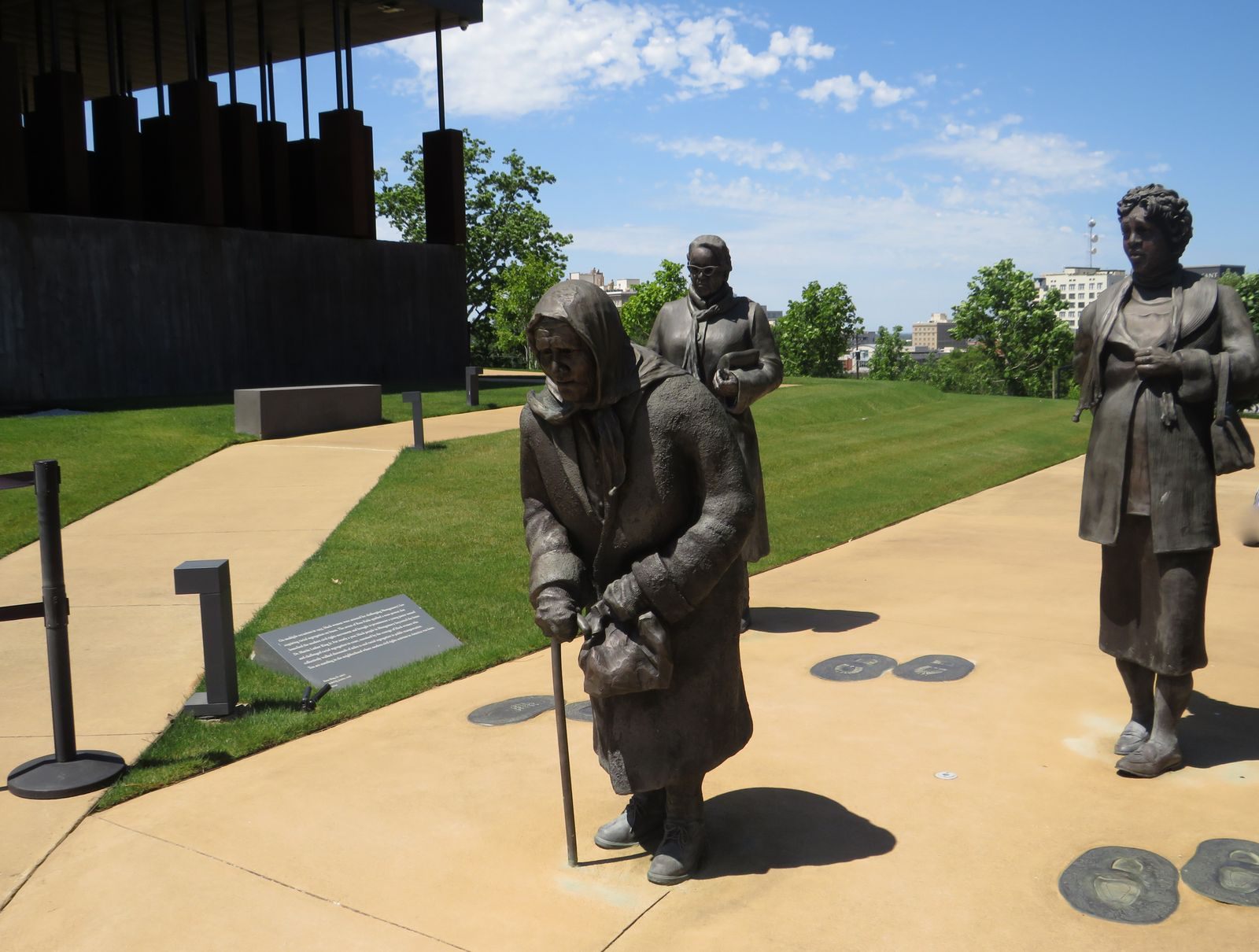
The Equal Justice Initiative has made Montgomery a place people travel to on purpose. The Legacy Museum traces the history from enslavement through lynching and segregation to mass incarceration, and the National Memorial for Peace and Justice, on a hill nearby, hangs hundreds of steel monuments bearing the names of lynching victims by county. The Freedom Monument Sculpture Park, along the Alabama River, opened in 2024. Allow a full day for the three; a shuttle links the sites.
Selma is about an hour west. On Bloody Sunday in March 1965, state troopers beat marchers on the Edmund Pettus Bridge; two weeks later, with federal protection, the march to Montgomery succeeded, and the Voting Rights Act followed that summer. You can walk across the bridge, visit Brown Chapel AME Church, where the marches started, and stop at the National Voting Rights Museum at the foot of the bridge. The route between the cities is the Selma to Montgomery National Historic Trail, with a National Park Service interpretive center in Lowndes County at the halfway point.
Montgomery is more than history. The Alabama Shakespeare Festival performs year-round in Blount Cultural Park, Montgomery Whitewater offers rafting and kayaking on a man-made course, and the Hank Williams Museum honors the country singer, who lived and is buried here. Guided civil rights tours that combine Montgomery and Selma are the most popular bookable options.
Don’t Miss
The Equal Justice Initiative's museum and memorial on the history of racial injustice in America.
Where Dr. King was pastor during the bus boycott; tours include the church and murals of the movement.
Troy University's museum at the corner where Rosa Parks was arrested, with a re-creation of the bus.
The old Greyhound station where Freedom Riders were attacked in 1961, and the capitol where the 1965 march ended; both run by the Alabama Historical Commission.
The bridge where marchers were beaten on Bloody Sunday in 1965, part of the Selma to Montgomery National Historic Trail.
Exhibits on the voting rights struggle, at the foot of the Edmund Pettus Bridge.
A professional theater with a year-round season of Shakespeare, classics, new plays and musicals.
A man-made whitewater course with rafting, kayaking, climbing and trails, opened in 2023.
Top-Rated Tours, Tickets & Activities in Montgomery and Selma
 Viator
 Viator
 Viator
 Viator
 Viator
 Viator
Tours, tickets, prices and reviews from Viator (a Tripadvisor company) and Tiqets — prices are per person, from, and were checked October 28, 2026. Best in Alabama may earn a commission when you book, at no extra cost to you.
Plan your time in Montgomery and Selma
Tell us when you are coming and what you enjoy. A travel specialist will put together hotel, activity and travel options for you — free, with no obligation.
Get free trip quotes »Montgomery and Selma — FAQ
What are the main stops on the Alabama civil rights trail?
The core sites are in Birmingham (16th Street Baptist Church, Kelly Ingram Park, the Civil Rights Institute), Montgomery (Dexter Avenue church, Rosa Parks Museum, Legacy Museum, National Memorial for Peace and Justice) and Selma (Edmund Pettus Bridge, Brown Chapel). Tuskegee and Anniston have important sites too.
How far is Selma from Montgomery?
About 50 miles, or roughly an hour by U.S. Highway 80, the route of the 1965 march.
How much time should I allow for the Legacy Museum?
Plan on two to three hours for the museum and another hour or more for the National Memorial for Peace and Justice.
More of Alabama