Things to Do in Birmingham
The Magic City, built on iron and steel and changed forever by 1963.
See top-rated activities »About Birmingham
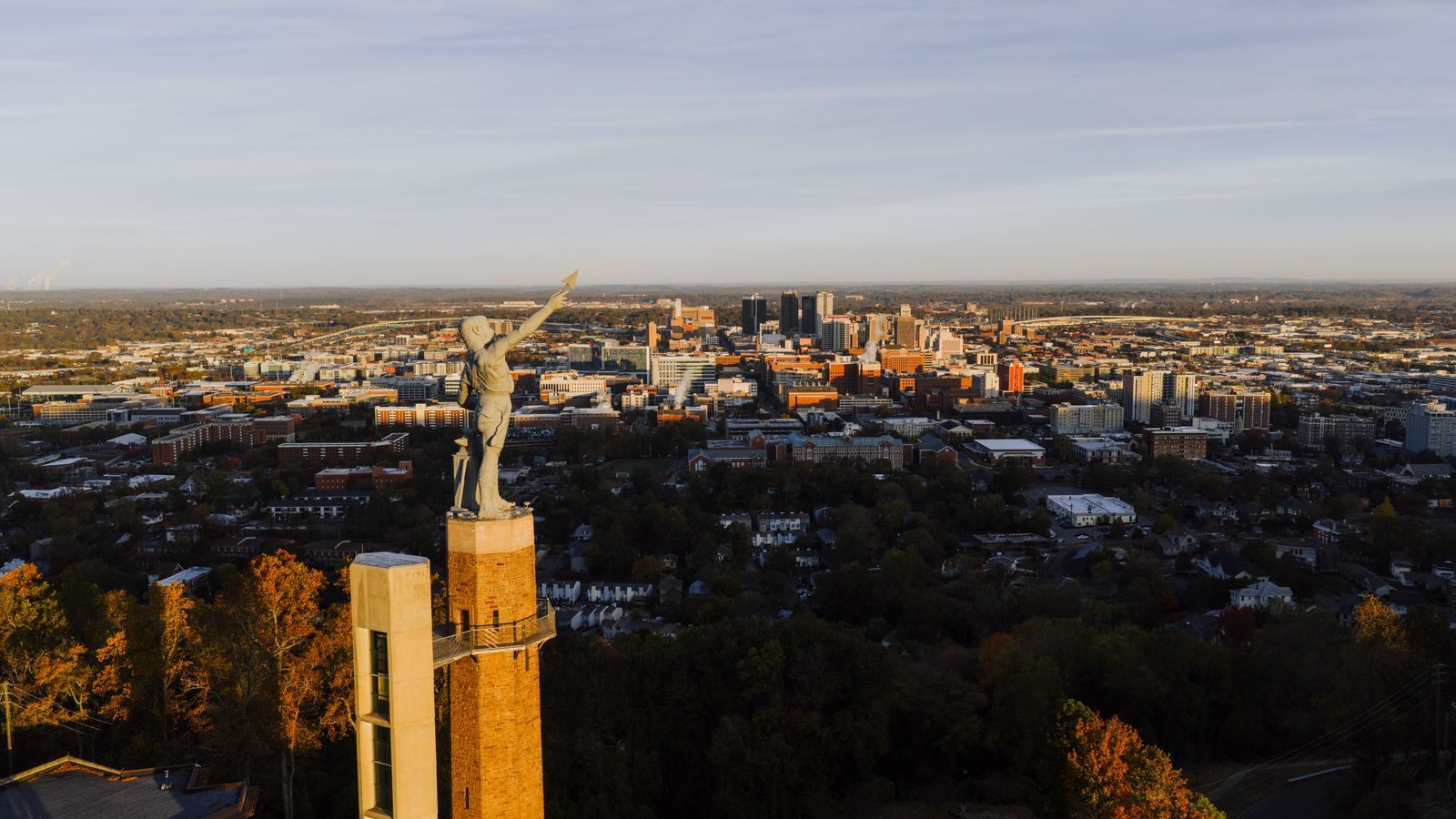
Birmingham did not exist until 1871, when a railroad crossing in a valley rich in iron ore, coal and limestone became a boom town so fast it was nicknamed the Magic City. Furnaces, mills and mines made it the industrial center of the South. Sloss Furnaces, which produced pig iron until 1971, is now a National Historic Landmark you can walk through for free, and on Red Mountain the statue of Vulcan, the Roman god of the forge, has looked over the city since it was cast for the 1904 World's Fair in St. Louis. It is the largest cast-iron statue in the world, and its observation deck gives the best view in town.
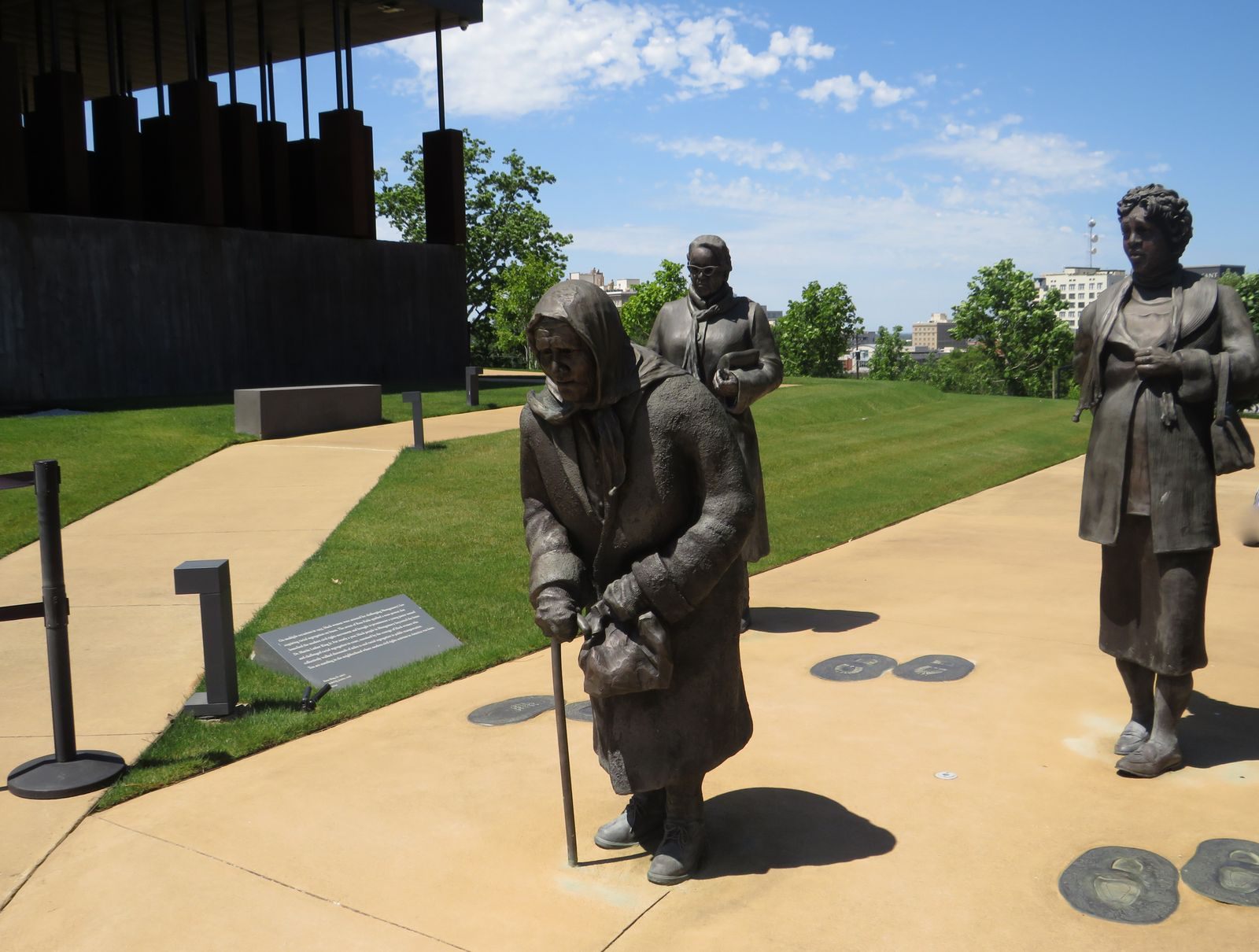
Birmingham is also one of the most important stops on the Alabama civil rights trail. In 1963 the city's children marched from the 16th Street Baptist Church into Kelly Ingram Park and were met with police dogs and fire hoses, and that September a bomb at the church killed four girls. The church still holds services and welcomes visitors, the park has sculptures along a Freedom Walk, and the Birmingham Civil Rights Institute across the street tells the story of the movement through films, documents and the door of the cell where Dr. Martin Luther King Jr. wrote his Letter from Birmingham Jail. The surrounding blocks are now the Birmingham Civil Rights National Monument.
The city's other draws are easy to combine. The Birmingham Museum of Art has a broad collection and free general admission, Railroad Park turns 19 acres of old rail land downtown into lawns and ponds, and the Barber Vintage Motorsports Museum east of town displays one of the largest motorcycle collections in the world beside a racetrack. Birmingham also has a strong restaurant scene, from Frank Stitt's French and Italian dining rooms to barbecue joints and meat-and-threes, covered on our dining page.
Don’t Miss
The story of the civil rights movement in Birmingham and beyond, across from the 16th Street Baptist Church.
Staging ground of the 1963 marches and site of the bombing that killed four girls; tours on weekdays.
National Park Service unit covering Kelly Ingram Park, the church, the A.G. Gaston Motel and nearby sites.
The world's largest cast-iron statue, an observation deck over the city and a museum of Birmingham history.
A blast furnace plant that ran from 1882 to 1971, now a free museum, concert site and metal arts center.
A wide-ranging collection from Asian and African art to American paintings, with free general admission.
Floors of vintage motorcycles and race cars in a museum set inside Barber Motorsports Park.
Top-Rated Tours, Tickets & Activities in Birmingham
 Viator
 Viator
 Viator
 Viator
 Viator
 Viator
 Viator
 Viator
Tours, tickets, prices and reviews from Viator (a Tripadvisor company) and Tiqets — prices are per person, from, and were checked October 28, 2026. Best in Alabama may earn a commission when you book, at no extra cost to you.
Plan your time in Birmingham
Tell us when you are coming and what you enjoy. A travel specialist will put together hotel, activity and travel options for you — free, with no obligation.
Get free trip quotes »Birmingham — FAQ
What is there to do in Birmingham, Alabama in one day?
Start at the Civil Rights Institute and Kelly Ingram Park, visit the 16th Street Baptist Church, have lunch downtown, then see Sloss Furnaces and finish at Vulcan Park for the sunset view.
Is the Birmingham Museum of Art free?
General admission is free; some special exhibitions may charge.
More of Alabama